Practical planning guides, client case studies, and write-ups of the products we've shipped, for teams weighing custom software, a web application, AI automation, or a SaaS MVP.
Most software projects go better when the first conversation starts with the right questions. Use the planning guides to frame your project, review client case studies to see how similar builds came together, and explore the products we build and run ourselves. Each resource links to the service behind the work so you can go deeper on the approach that fits.
Software planning guides
Short, practical guides to the decisions that shape a build: whether you need custom software, how far a web project should go, where AI automation genuinely helps, and how to scope a first product release.
Custom Software
When custom software beats off-the-shelf tools
Off-the-shelf software asks your business to adapt to its assumptions. Custom software earns its place when those assumptions keep forcing workarounds: the same data typed into two systems, a spreadsheet that has quietly become the source of truth, or a stack of subscriptions that each almost fit. Start with the smallest focused tool that removes the workaround, then extend it once it proves its value.
Questions to answer first
Which workflow causes the most re-keying, copy-paste, or manual follow-up?
Which people and existing systems does that workflow touch?
What would a focused first phase need to do to be worth using every day?
A business website explains what you do and captures inquiries. A web application does work: people sign in, data is created and updated, and the system connects to the tools behind your business. Customer portals, dashboards, and internal tools all fall here. Many projects need both, and knowing which parts are which keeps scope, budget, and timeline honest.
Questions to answer first
Who uses it, and do they need accounts or different permission levels?
What data must it read, create, or update, and where does that data live today?
Which payment, CRM, email, or scheduling tools must it connect to?
Who on your team will update content after launch?
The strongest AI candidates are narrow, repetitive workflows such as document intake, drafting, triage, and internal search, where a person can review the result. Where deterministic code is safer and cheaper, AI is the wrong tool. Before anything goes live, define data boundaries, human approval paths, and cost limits, then measure quality against real examples from your own work.
Questions to answer first
Which repetitive task takes the most team time each week?
What data can the automation see, and what must stay out of reach?
Who reviews or approves the output before it reaches a customer?
How will you judge accuracy using real examples from your business?
A minimum viable product is the smallest version of your idea that delivers real value to users and lets you learn from them. Work backward from the one outcome the product must prove, schedule everything else for later phases, and put accounts, tenancy, and billing on a foundation that can grow, so early traction does not force a rebuild.
Questions to answer first
What single problem must the first version solve for its first users?
Which features are must-haves for launch, and which can wait for phase two?
Will each customer organization need its own separate workspace and data?
How will you collect feedback from real users after launch?
Web platforms, a custom CRM with a mobile app, and AI-assisted operations software built for clients. Each case study covers the challenge, what we delivered, and the documented outcome.
Web · CRM · Mobile
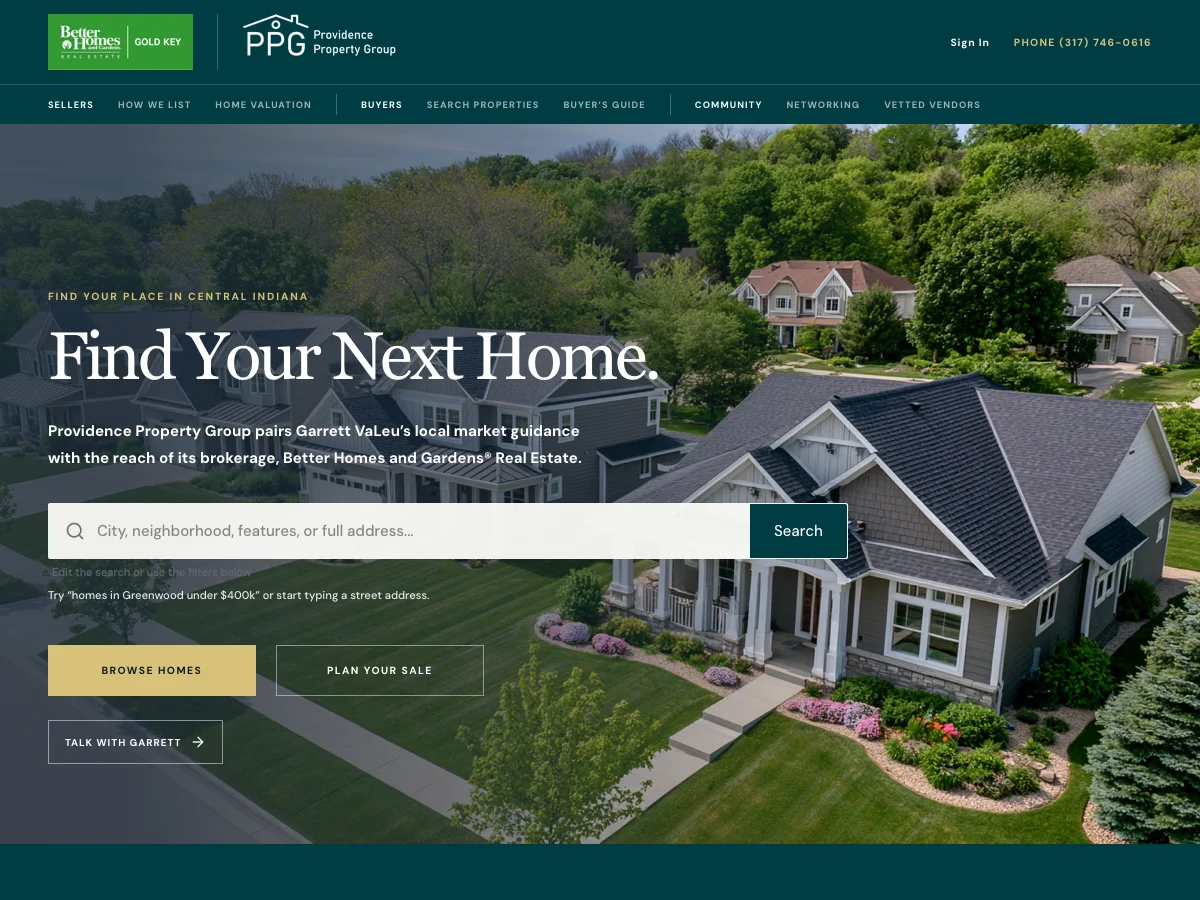
Providence Property Group
A real-estate website connected to a custom CRM and mobile app for lead management and follow-up.
Documented outcome
Property-page inquiries can move into the team's CRM for follow-up
We build and operate our own software, too. These write-ups cover what each product does and how it was put together.
Servora.work
Pre-launch MVP
Service-business software that connects scheduling, work orders, estimates, and invoicing in one flow. Servora grew out of the platform we built to run our own operations and is open to vision partners ahead of its public launch.
How it was built
A multi-tenant SaaS foundation keeps each participating business's operations separate while one shared product flow carries a job from scheduling to invoice.
AI-aware developer time tracking. myAegis understands AI-assisted development and gives teams an honest, low-friction picture of where build effort goes.
How it was built
A live web application designed around how engineers actually work, with a free plan for individuals.
An AI email phishing and scam checker. Forward a suspicious email for analysis of its content, links, headers, and attachments, and receive an assessment by email to help you decide what to do next.
How it was built
AI analysis sits behind an everyday action, forwarding an email, so people get a second opinion without learning a new tool.
Bring your answers to the planning questions, or just the problem you want to solve. We'll help you find a focused first phase and the right next step.